In addition to their liturgical functions, acolytes also play a crucial role in the spiritual development of their communities. They often serve as role models, inspiring others to deepen their faith and commitment to their spiritual journey. By serving in this capacity, acolytes cultivate a sense of purpose and belonging, which can have a profound impact on their personal spiritual growth. In today’s fast-paced world, the role of the acolyte remains relevant. As people seek deeper meaning and connection in their lives, the acolyte serves as a reminder of the importance of devotion, service, and community. The acolyte’s commitment to their faith and their willingness to serve others inspire others to do the same.
Moreover, the acolyte’s role has evolved to encompass a broader range of responsibilities. In some churches, acolytes are involved in outreach programs, youth ministries, and social justice initiatives. This expansion of their role reflects the changing needs of modern society and the evolving nature of spiritual practice. The acolyte is a vital component of various spiritual traditions, serving as a bridge between the clergy and the laity, and embodying the values of devotion, service, and community. As we have explored in this article, the role of the acolyte has evolved over time, yet its significance remains unchanged. Whether in traditional or modern contexts, the acolyte continues to inspire and uplift others, reminding us of the power of faith, service, and commitment.
The Acolyte: Unveiling the MysteryIn the realm of spirituality and faith, there exist various roles that individuals assume as they embark on their journey of devotion and service. One such role is that of an acolyte, a term that has been used across different religious traditions to describe a person who assists a priest or minister in various liturgical and ceremonial functions. In this article, we will delve into the world of the acolyte, exploring its origins, significance, and the role it plays in modern spiritual practices. The term “acolyte” originates from the Greek word “akolouthos,” meaning “follower” or “attendant.” In the early Christian Church, an acolyte referred to a person who assisted the bishop or priest in various tasks, such as lighting candles, carrying torches, and preparing the altar for worship services. The role of the acolyte was considered essential in the smooth execution of liturgical ceremonies and was often entrusted to young men who were training for the priesthood.
In a world that often values individualism and self-reliance, the acolyte’s selfless dedication to their faith and community serves as a powerful reminder of the importance of putting others first. As we reflect on the role of the acolyte, we are invited to consider our own place within the spiritual landscape, and to explore ways in which we can deepen our own faith and commitment to serving others.

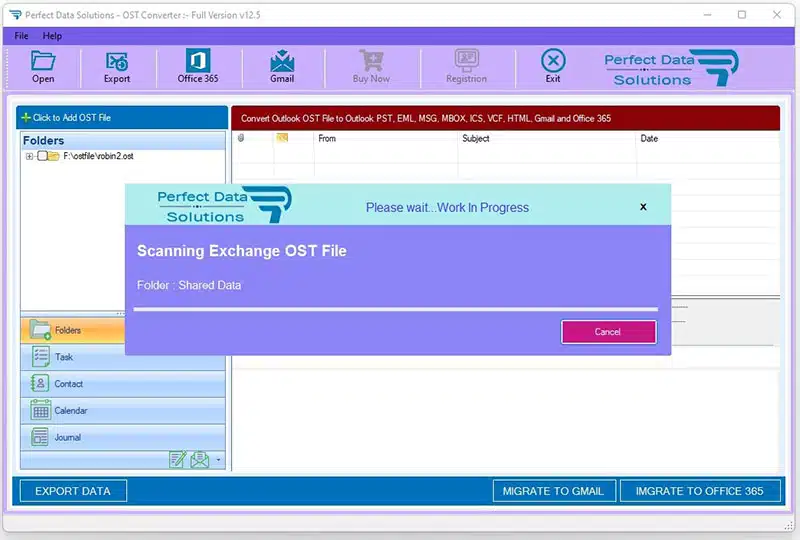
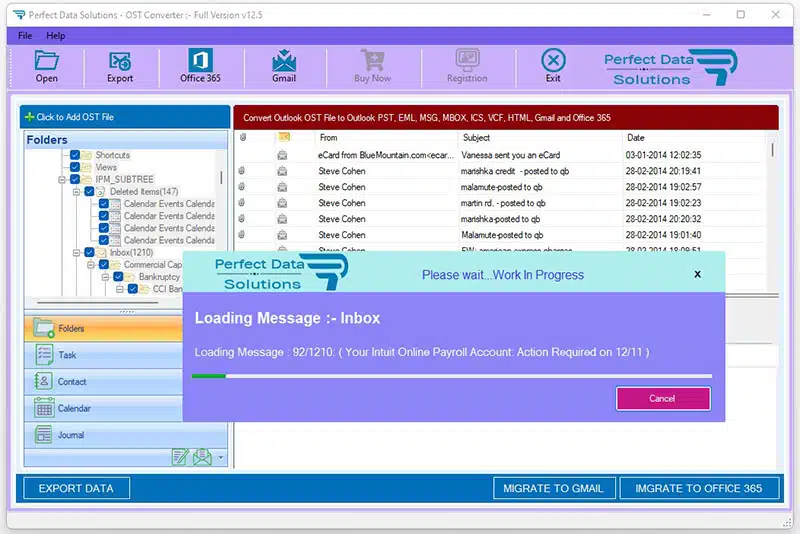
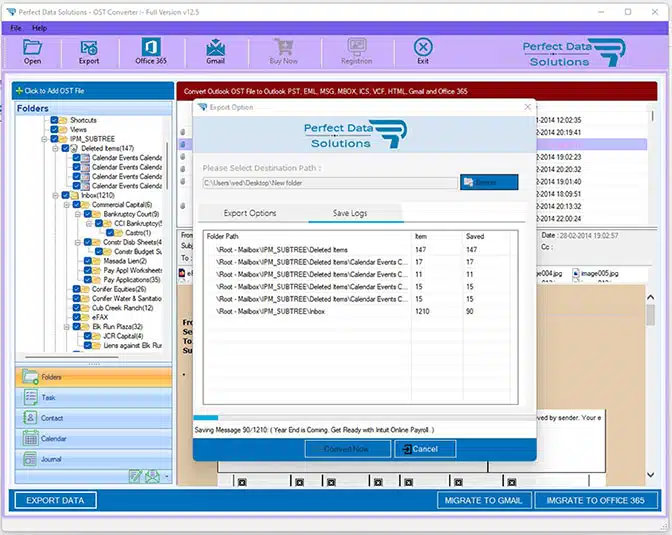
Perfect Data Solutions OST to PST - OST to PST Conversion software convert emails from MS Exchange OST to Outlook PST file. OST Recovery Tool also Convert OST data to PST, Office 365, EML, MSG, MBOX, HTML and PDF.
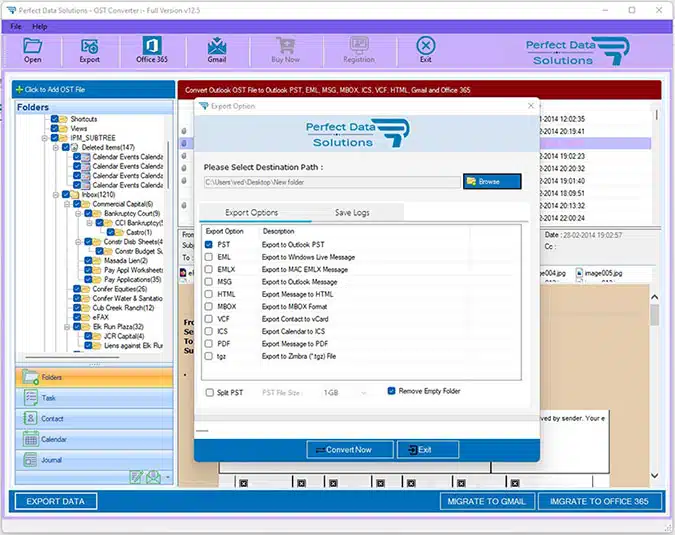
OST Converter Tool help to converter multiple outlook ost file to PST, EML, MSG, MBOX, PDF etc
OST Converter Tool Migrate Cloud One or Multple OST File to Gmail/Gsuite
OST Converter Tool Migrate Cloud One or Multple OST File to Office 365 Mailbox
Autometically license key delivery on your purchase email address.
Free Demo version will generate Preview of complete OST file data & Export only 30 Items per Folder. To convert complete data, buy PDS OST converter full version. It is capable to convert OST to PST, PDF, vCard, ICS, HTML, MBOX, MSG, EML, EMLX, Gmail and Office 365.
500 MB of free hard disk space required
Pentium Class, Intel® Core™ 2 Duo CPU E4600 @ 2.40GHz 2.39GHz
4 GB of RAM (4 GB is recommended)
Windows 10, 8, 7 (32 bit or 64 bit) & All Windows Server 2016.
Microsoft Outlook 2000, 2003, 2007, 2010(32/64 bit), 2013 (32/64 bit), 2016 (32/64 bit), 2019 (32/64 bit)
If you are using Windows 10, 8, 7 (32 bit or 64 bit). Microsoft .NET framework 3.5 or above should be installed.
In addition to their liturgical functions, acolytes also play a crucial role in the spiritual development of their communities. They often serve as role models, inspiring others to deepen their faith and commitment to their spiritual journey. By serving in this capacity, acolytes cultivate a sense of purpose and belonging, which can have a profound impact on their personal spiritual growth. In today’s fast-paced world, the role of the acolyte remains relevant. As people seek deeper meaning and connection in their lives, the acolyte serves as a reminder of the importance of devotion, service, and community. The acolyte’s commitment to their faith and their willingness to serve others inspire others to do the same.
Moreover, the acolyte’s role has evolved to encompass a broader range of responsibilities. In some churches, acolytes are involved in outreach programs, youth ministries, and social justice initiatives. This expansion of their role reflects the changing needs of modern society and the evolving nature of spiritual practice. The acolyte is a vital component of various spiritual traditions, serving as a bridge between the clergy and the laity, and embodying the values of devotion, service, and community. As we have explored in this article, the role of the acolyte has evolved over time, yet its significance remains unchanged. Whether in traditional or modern contexts, the acolyte continues to inspire and uplift others, reminding us of the power of faith, service, and commitment.
The Acolyte: Unveiling the MysteryIn the realm of spirituality and faith, there exist various roles that individuals assume as they embark on their journey of devotion and service. One such role is that of an acolyte, a term that has been used across different religious traditions to describe a person who assists a priest or minister in various liturgical and ceremonial functions. In this article, we will delve into the world of the acolyte, exploring its origins, significance, and the role it plays in modern spiritual practices. The term “acolyte” originates from the Greek word “akolouthos,” meaning “follower” or “attendant.” In the early Christian Church, an acolyte referred to a person who assisted the bishop or priest in various tasks, such as lighting candles, carrying torches, and preparing the altar for worship services. The role of the acolyte was considered essential in the smooth execution of liturgical ceremonies and was often entrusted to young men who were training for the priesthood.
In a world that often values individualism and self-reliance, the acolyte’s selfless dedication to their faith and community serves as a powerful reminder of the importance of putting others first. As we reflect on the role of the acolyte, we are invited to consider our own place within the spiritual landscape, and to explore ways in which we can deepen our own faith and commitment to serving others.
Microsoft Outlook OST File Convert into Outlook PST Format Which is (Supportred Outlook Version 2003 upto 2021)
Easy to Convert Outlook (*.ost) File Items into Windows or Apple Mail (*.eml) File Format.
Export Microsoft Outlook (*.ost) File Items into Microsoft Outlook Message (*.msg) File Format.
Extract OST to MBOX File format which is use for Thunderbird, Apple Mail etc, email clients.
Export Outlook OST File Mailbox Email Items into Portable Document Format (*.PDF) Format
Cloud Migrate Outlook (*.ost) File Items into Gmail/G-Suite, Yahoo! Mail, Rediff Mail and IMAP Account.
Migrate Outlook OST Mailbox Items into Live Office 365 Mailbox users Account by Both Single Authentication and MFA(Azure App Registration)
I have discussed two methods for converting the OST file Database to Personnel Storage Table (PST).
First you need the fast recap of MS Outlook and their supported Formats i.e. OST and PST Format