What transformed setup_2a.bin from a technical footnote into a cultural artifact was the community’s response. Lacking official patches, players turned to forums like Steam Community and GameFAQs, sharing checksums and comparing hash values. They discovered that setup_2a.bin was disproportionately large compared to its siblings ( setup_1.bin , setup_2b.bin ). Speculation ran rampant: some argued it contained the entirety of the zombie mode map "Kino der Toten"; others, more conspiratorially, believed Treyarch had intentionally fragmented the file to throttle piracy groups. In a meta-narrative twist befitting the game’s brainwashing plot, the file became a Rorschach test for the player’s own anxieties about digital ownership. Was the file corrupted, or was the player’s machine the corrupted one?
The resolution of the setup_2a.bin saga is ironically anticlimactic. It was eventually discovered that the error stemmed from a memory allocation fault in older 32-bit systems attempting to unpack a specific audio pack for the Vietnam flashback levels. A simple command-line flag or a third-party unpacker would bypass the issue. Yet, the legend persists. Why? Because setup_2a.bin serves as a powerful allegory for the hidden labor of gaming. In an era of seamless Steam downloads, we forget that software is not magic; it is architecture. The struggle with this binary file mirrored the game’s central theme: the unreliability of memory and the violent process of assembling truth from fragmented data. Just as Alex Mason must reassemble his mind from scattered numbers, the PC gamer had to reassemble setup_2a.bin to access the digital truth of the game. setup 2a.bin call of duty black ops
In the pantheon of first-person shooters, Treyarch’s Call of Duty: Black Ops (2010) stands as a monument to Cold War paranoia, narrative subversion, and technological artifice. Yet, for a specific generation of PC gamers, the game’s most memorable antagonist was not the Soviet Dragovich or the treacherous Steiner, but a silent, 600-megabyte enigma named setup_2a.bin . To the uninitiated, this file appears as a mundane data archive. But within the lore of digital distribution and modding culture, setup_2a.bin represents a unique collision between commercial software architecture and community-driven detective work—a ghost in the machine that forced players to question the very nature of their installation. What transformed setup_2a
In conclusion, setup_2a.bin is more than a corrupted archive; it is a digital palimpsest. For those who fought with it, the file represents the friction of early 2010s PC gaming—a time when installing a blockbuster title required not just a credit card, but a working knowledge of file verification, partition size, and troubleshooting psychology. It stands as a monument to the idea that in Call of Duty: Black Ops , the numbers—even those in a binary filename—never truly lie. They simply wait for you to decode them. Speculation ran rampant: some argued it contained the
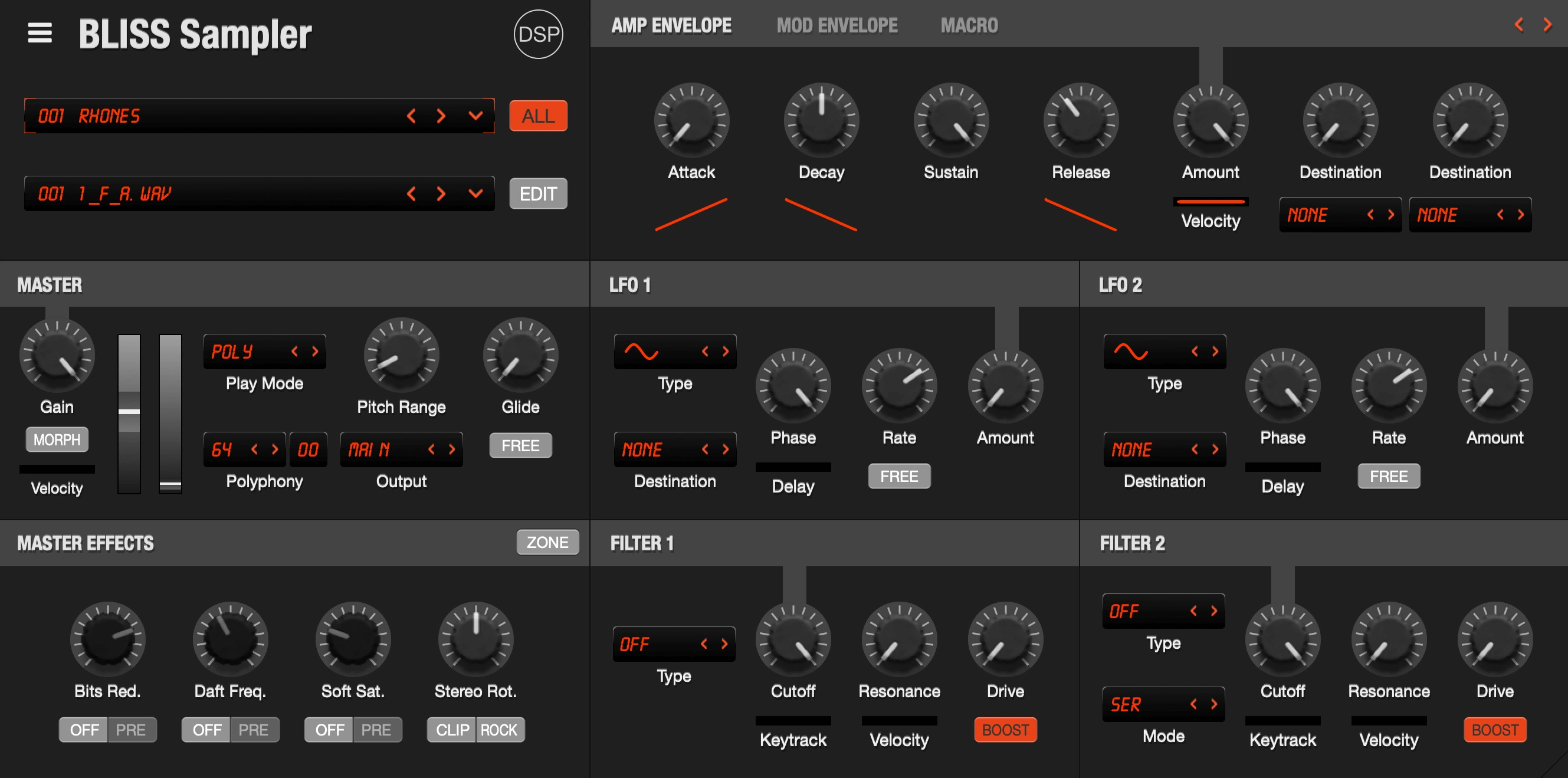
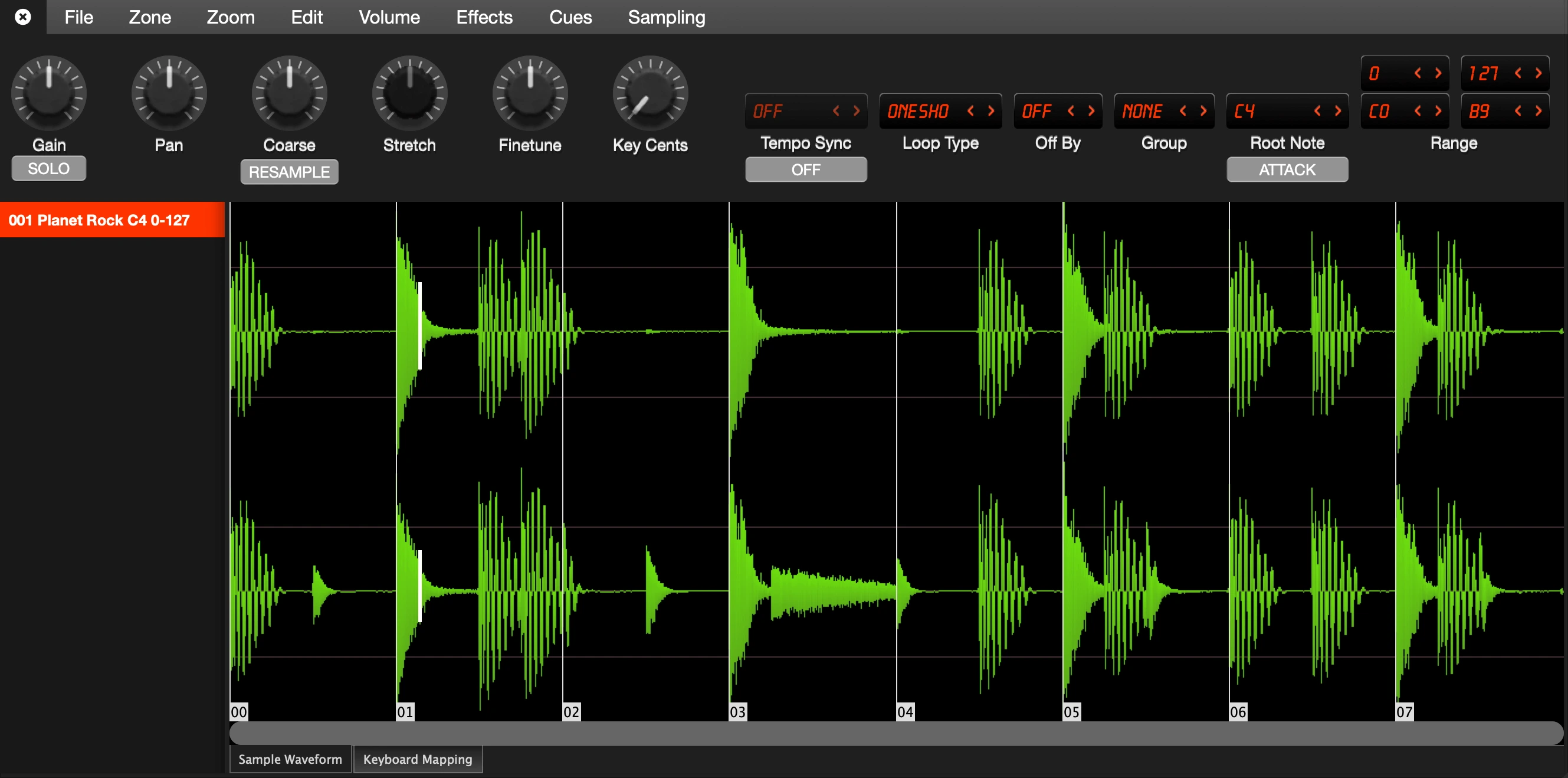
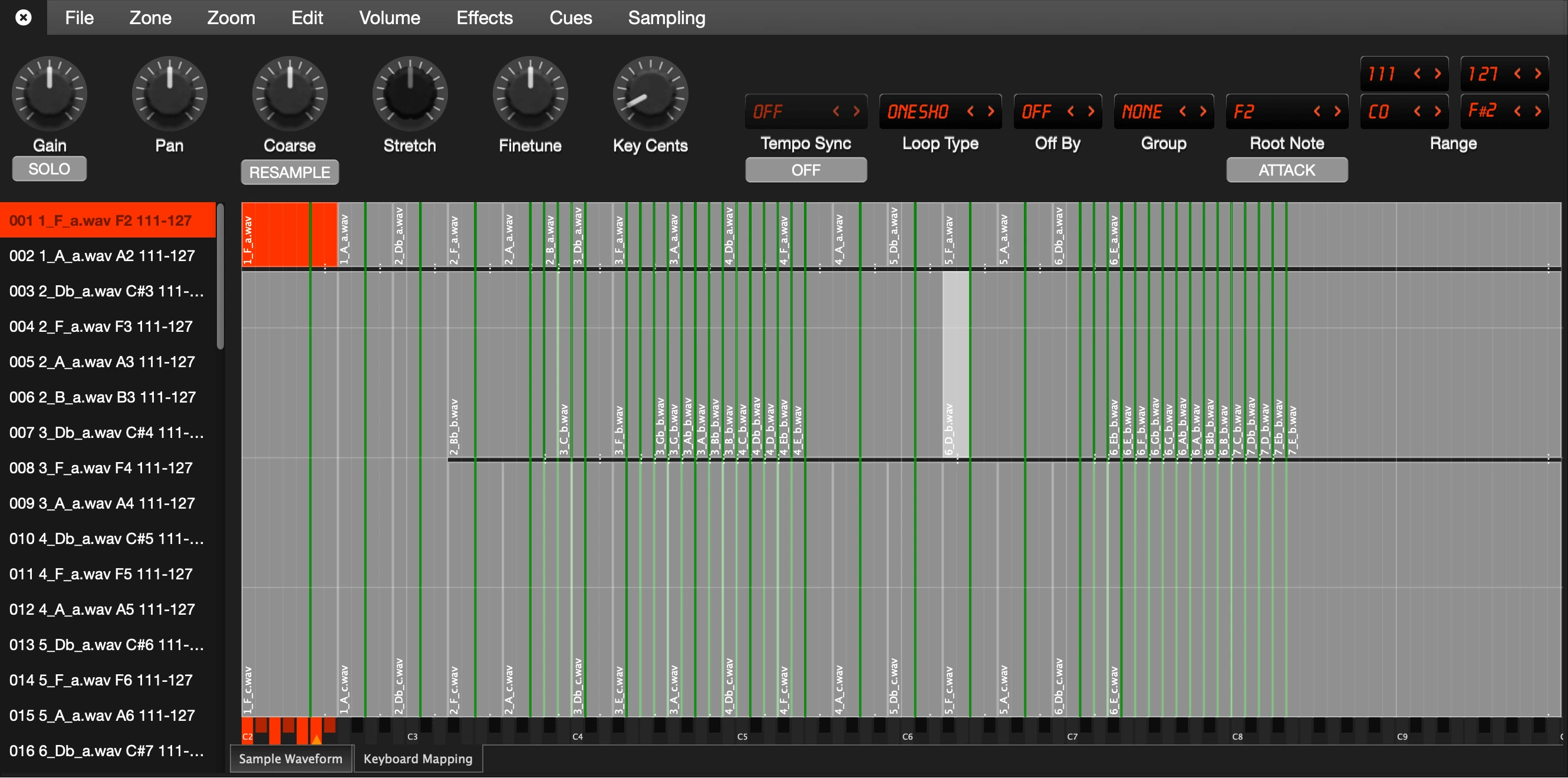
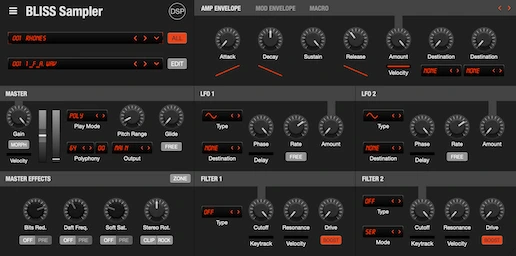
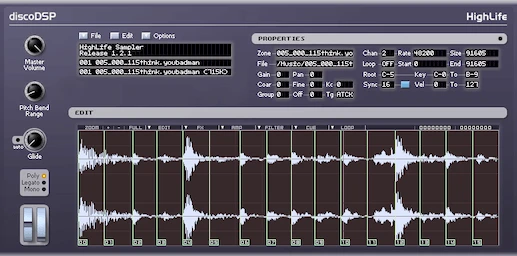
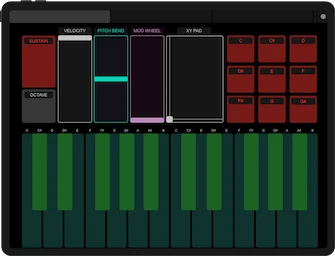
Experience discoDSP Bliss, the ultimate sampler. Record VST and AU instruments as SFZ files without quality loss. Customize your sound with a scalable GUI, wave editor, 7 effects, and versatile modulation. Enjoy up to 64 voices, 4X oversampling, and full MIDI control. Bliss offers exceptional playback and creative possibilities for any production. Elevate your music with the powerful and intuitive Bliss sampler.


What transformed setup_2a.bin from a technical footnote into a cultural artifact was the community’s response. Lacking official patches, players turned to forums like Steam Community and GameFAQs, sharing checksums and comparing hash values. They discovered that setup_2a.bin was disproportionately large compared to its siblings ( setup_1.bin , setup_2b.bin ). Speculation ran rampant: some argued it contained the entirety of the zombie mode map "Kino der Toten"; others, more conspiratorially, believed Treyarch had intentionally fragmented the file to throttle piracy groups. In a meta-narrative twist befitting the game’s brainwashing plot, the file became a Rorschach test for the player’s own anxieties about digital ownership. Was the file corrupted, or was the player’s machine the corrupted one?
The resolution of the setup_2a.bin saga is ironically anticlimactic. It was eventually discovered that the error stemmed from a memory allocation fault in older 32-bit systems attempting to unpack a specific audio pack for the Vietnam flashback levels. A simple command-line flag or a third-party unpacker would bypass the issue. Yet, the legend persists. Why? Because setup_2a.bin serves as a powerful allegory for the hidden labor of gaming. In an era of seamless Steam downloads, we forget that software is not magic; it is architecture. The struggle with this binary file mirrored the game’s central theme: the unreliability of memory and the violent process of assembling truth from fragmented data. Just as Alex Mason must reassemble his mind from scattered numbers, the PC gamer had to reassemble setup_2a.bin to access the digital truth of the game.
In the pantheon of first-person shooters, Treyarch’s Call of Duty: Black Ops (2010) stands as a monument to Cold War paranoia, narrative subversion, and technological artifice. Yet, for a specific generation of PC gamers, the game’s most memorable antagonist was not the Soviet Dragovich or the treacherous Steiner, but a silent, 600-megabyte enigma named setup_2a.bin . To the uninitiated, this file appears as a mundane data archive. But within the lore of digital distribution and modding culture, setup_2a.bin represents a unique collision between commercial software architecture and community-driven detective work—a ghost in the machine that forced players to question the very nature of their installation.
In conclusion, setup_2a.bin is more than a corrupted archive; it is a digital palimpsest. For those who fought with it, the file represents the friction of early 2010s PC gaming—a time when installing a blockbuster title required not just a credit card, but a working knowledge of file verification, partition size, and troubleshooting psychology. It stands as a monument to the idea that in Call of Duty: Black Ops , the numbers—even those in a binary filename—never truly lie. They simply wait for you to decode them.