OpenRGB's plugin system allows for limitless functionality


OpenRGB provides an expansive plugin interface allowing a wide variety of additional functionality to be added by plugins. Plugins can add additional functionality to the OpenRGB user interface and take control of your OpenRGB devices to provide synchronized effects, use your RGB devices as indicator lights for hardware statistics, integrate with third party lighting control software, schedule OpenRGB lighting profile changes, and more.


OpenRGB Effects Plugin

Synchronize your setup with amazing effects

OpenRGB Effects Plugin

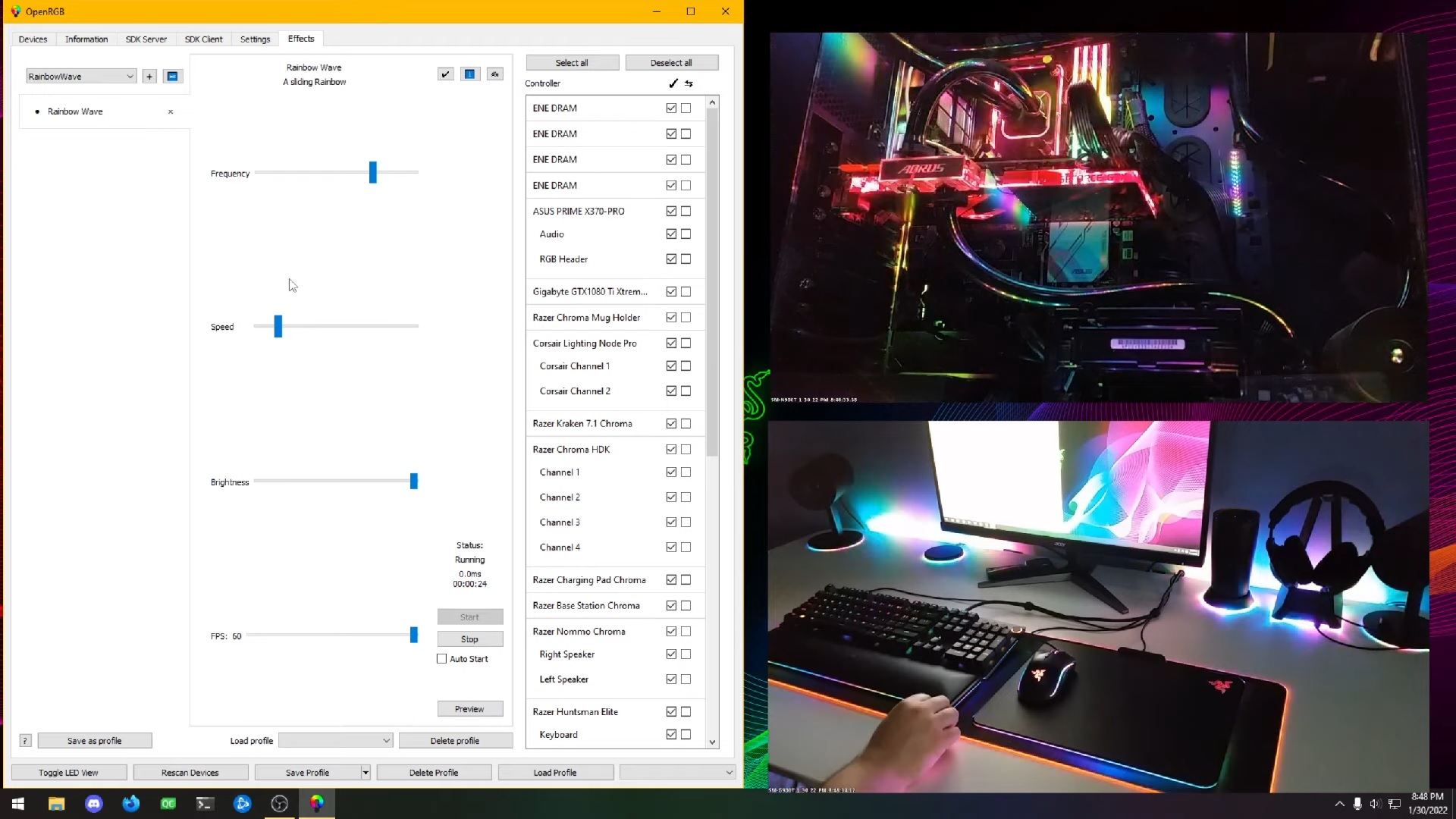
The OpenRGB Effects Plugin provides an extensive list of custom effects that can be synchronized across all devices that support Direct Mode. Many standard effects are available such as Rainbow, Visor, Breathing, and more. Advanced effects include several audio visualizations, Ambilight, GIF player, and a Shader renderer for using GLSL shaders as RGB effects.

More Info and Releases
OpenRGB Visual Map Plugin

Lay out your devices however you like

OpenRGB Visual Map Plugin

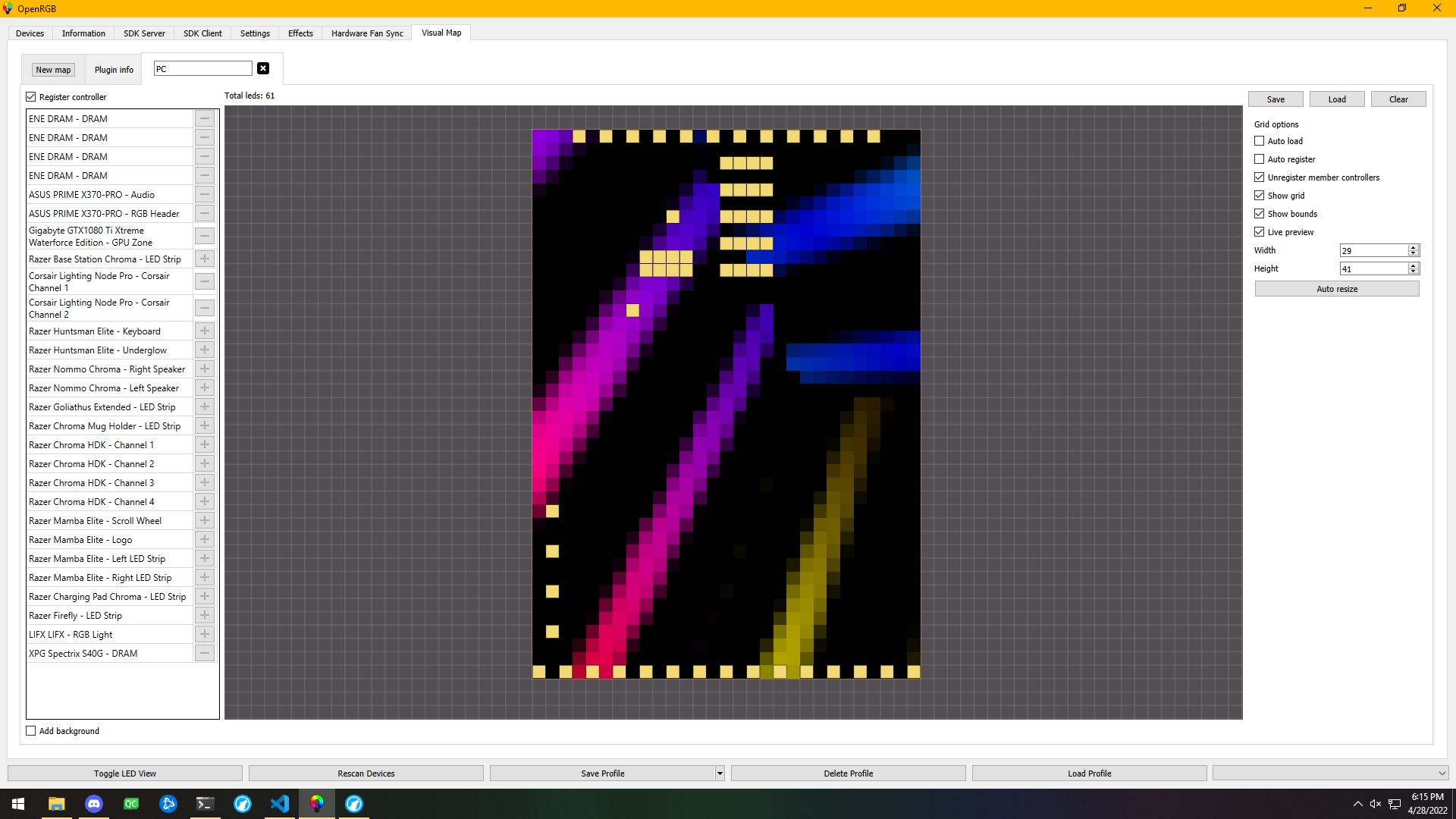
Normally, OpenRGB effects engines apply patterns one device at a time. With the Visual Map Plugin, you can combine one or more devices into a custom grid, allowing incredible effects to shine across your entire setup as one unified display.

More Info and Releases
OpenRGB Hardware Sync Plugin

Visualize system statistics with RGB

OpenRGB Hardware Sync Plugin

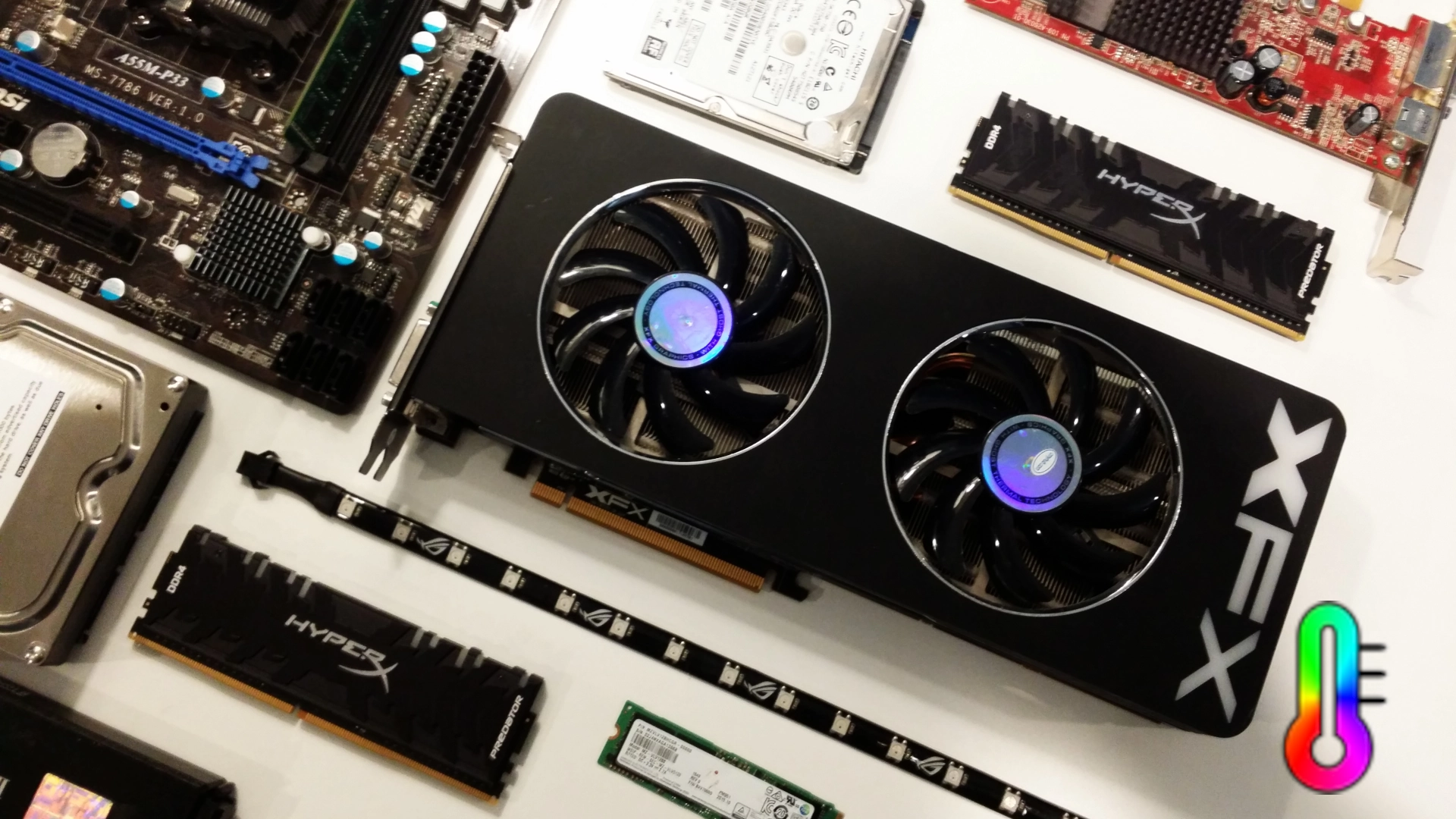
Want to keep an eye on your CPU and GPU temperatures while you're in game? The Hardware Sync Plugin will let you know if your temperatures are too high by changing the color of your RGB. Many more system parameters are supported as well, and multiple devices can indicate multiple measurements.

More Info and Releases
OpenRGB Fan Sync Plugin

Integrate fan control into OpenRGB

OpenRGB Fan Sync Plugin

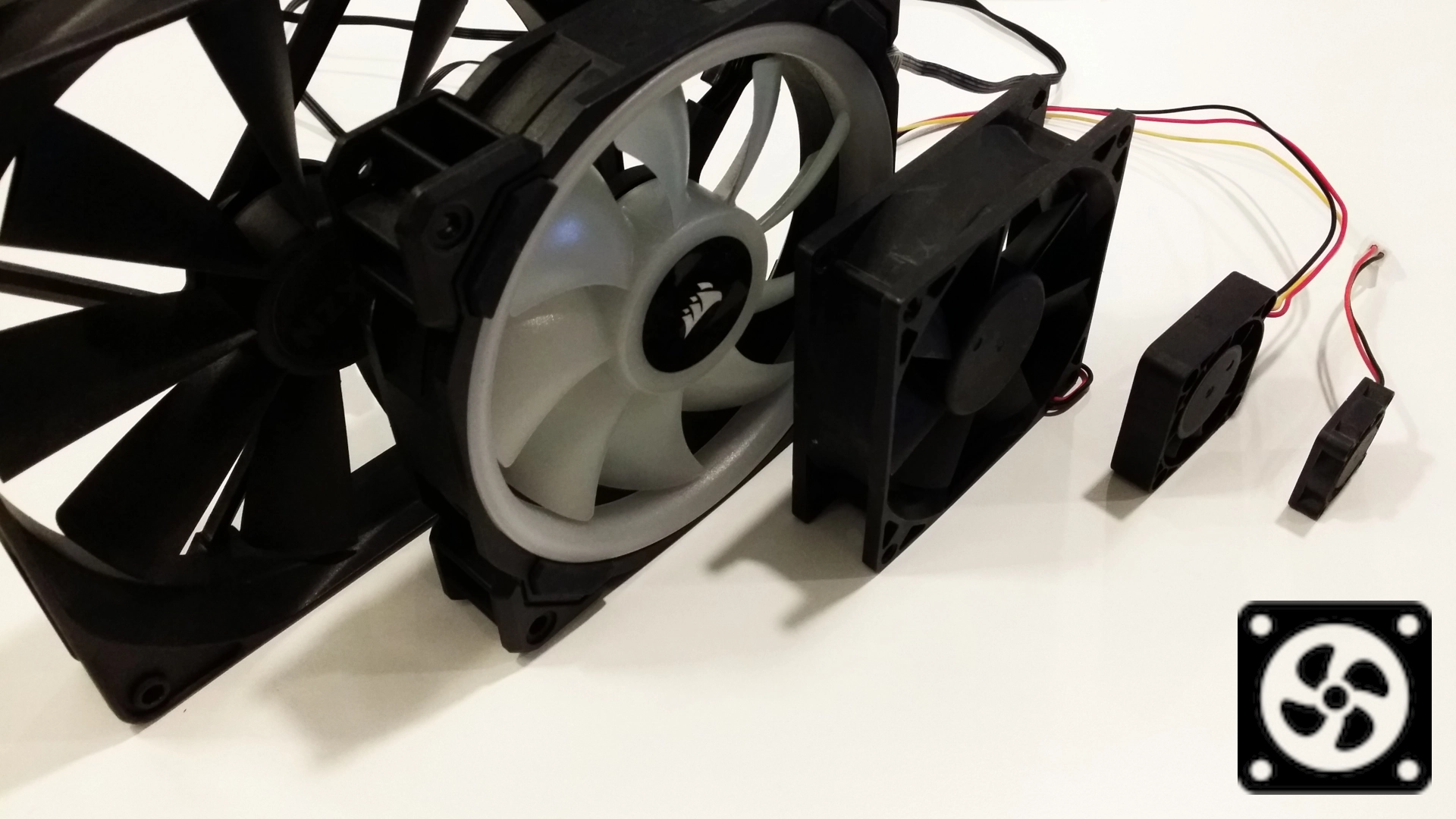
Controlling all your RGB in one place is great, but what about your fan speeds? The Fan Sync Plugin takes care of that. Using the same backend as the Hardware Sync Plugin, the Fan Sync Plugin lets you map one or more system parameters to control fan speeds, including custom fan curves.

More Info and Releases

Istar Firmware Download Apr 2026

Maya’s tone sharpens. “This next 90 seconds is critical. No power dips, no USB disconnects. Start the firmware download.” Leo clicks Transfer . A progress bar appears: Erasing… Writing… Verifying… The laptop fan whirs. The Istar’s LEDs strobe like a hospital monitor. At 48%, the bar freezes. “It stalled!” Leo shouts. “Stay calm,” Maya says. “Istar controllers have a watchdog timer. Wait 10 seconds… see? It’s doing a block-verify.” The bar jumps to 72%, then 100%. A chime sounds. Verification Passed.

Maya smiles. “We don’t replace it. We re-flash it. This is exactly why we use .” The Step-by-Step Journey (The "Story" of the Fix): Istar Firmware Download

Leo panics. “We can’t replace the whole controller—that would mean shutting down the cooling loop. The client would kill us.” Maya’s tone sharpens

It’s 11:00 PM on a Saturday. Maya gets an urgent call from Leo. His voice is tight. Start the firmware download

Maya, still in her car, sighs. She knows that pattern. “That’s a firmware checksum mismatch, Leo. The controller’s brain has a corrupted instruction set. It’s running, but it’s hallucinating. If we don’t fix it, the main chiller won’t get the load-balancing command in the next 45 minutes.”

Back at the office on Monday, Maya debriefs Leo. “What did we learn?” she asks. Leo replies: “Never ignore a blinking beacon. And the Istar Firmware Download isn’t just a repair—it’s a rescue. It let us fix the brain without touching the body. No downtime. No hardware swap. Just clean code.”

“Power cycle the unit,” Maya says. Leo unplugs, waits 15 seconds, plugs back in. The Istar runs its Power-On Self-Test. One blink. Two. Then a steady, solid green. “We’re solid green,” Leo whispers. “Now check the application layer,” Maya says. Leo opens the monitoring dashboard. Temperature sensors read correctly. The chiller load-balancing command sends successfully. The client’s facilities manager walks in. “Everything okay? We saw a 2-minute data gap.” Leo, calm now, replies: “Just a preventative firmware alignment. The system is more stable than before.”