Crack Re Mouse Standard 3.4 Here
Crack Re Mouse Standard 3.4 Here
Crack Re Mouse Standard 3.4 Here


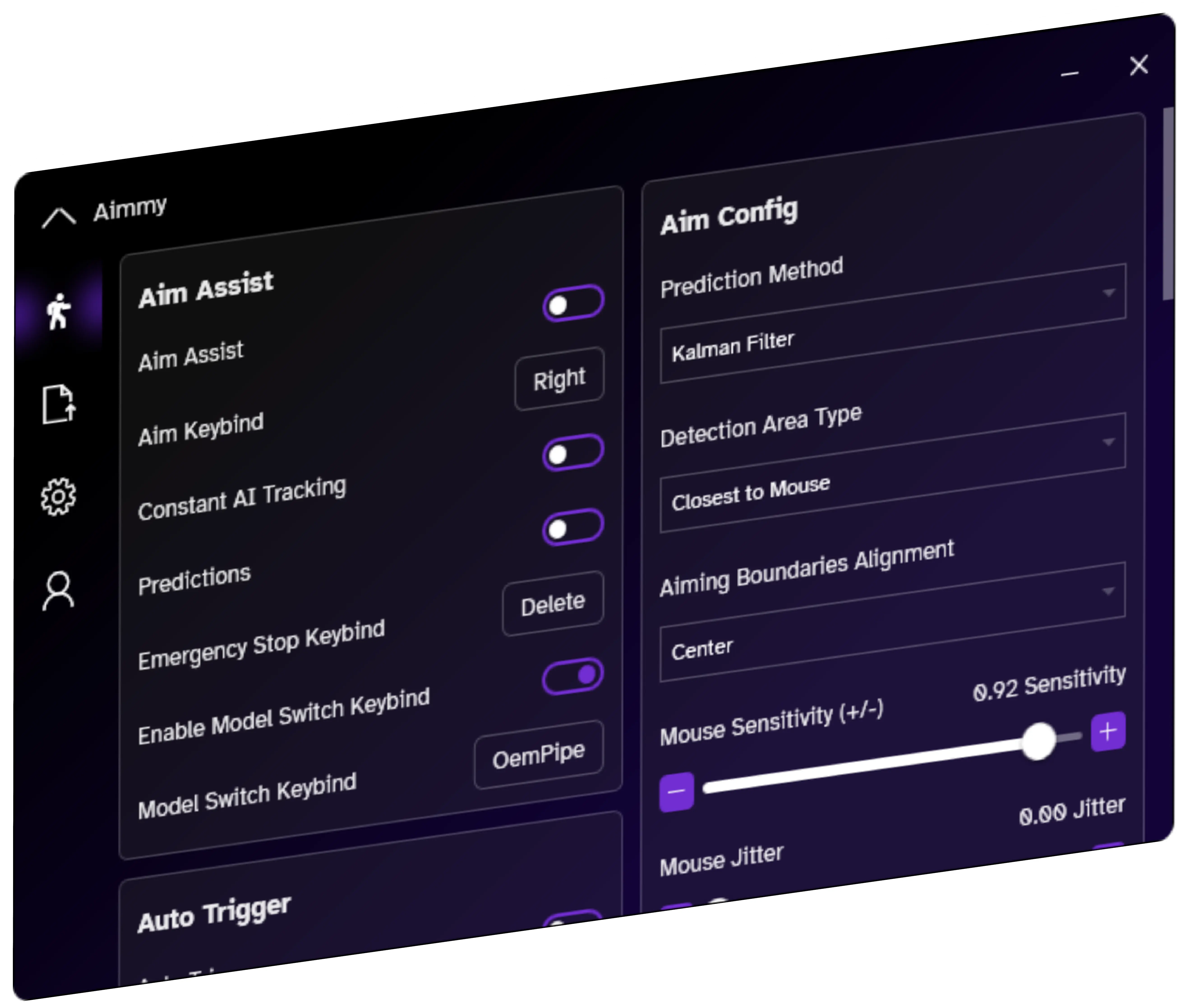
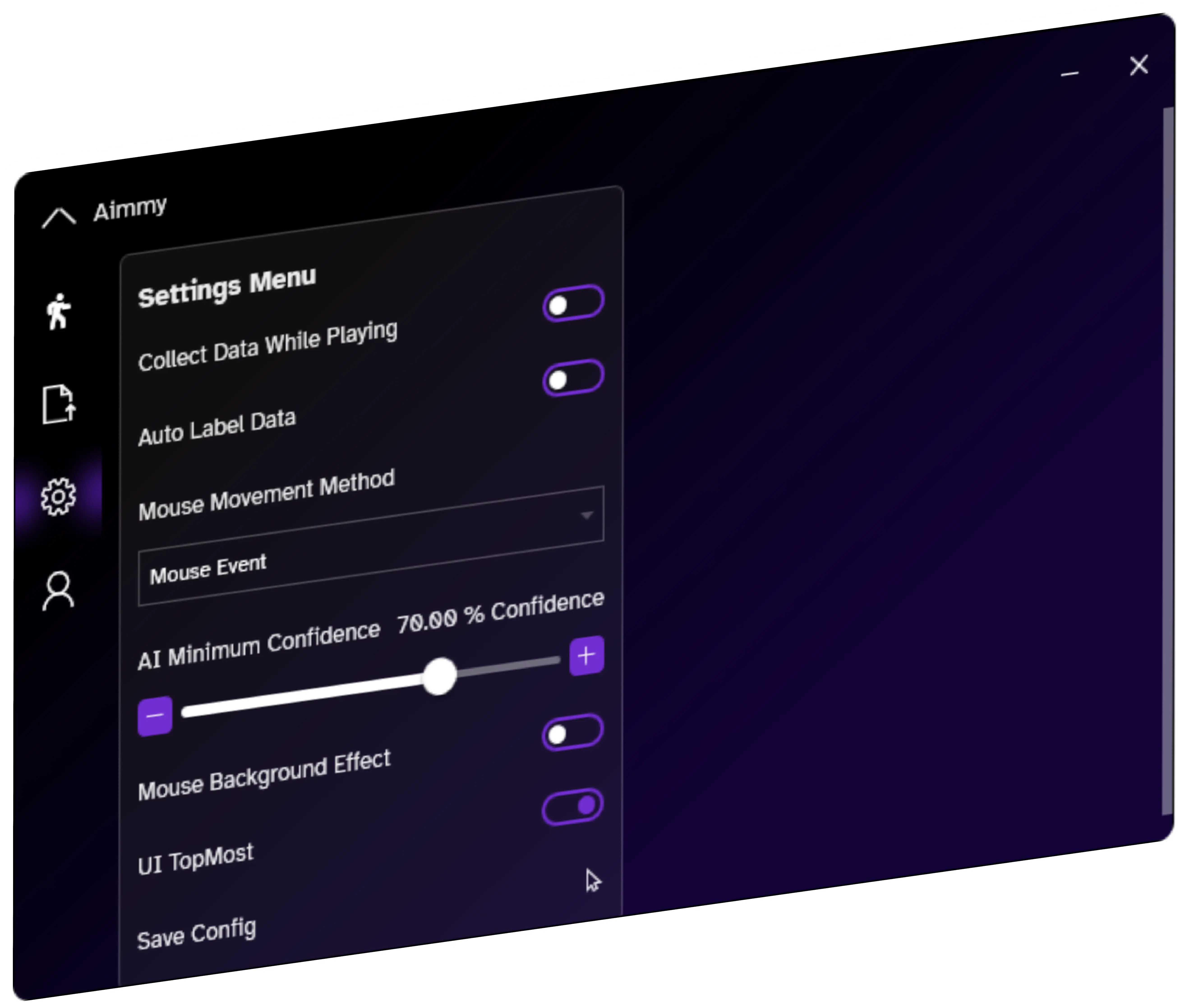
Aimmy contains over 40+ unique ways to tune your aiming, ranging from tweaks to Aim Positioning, to full features like Anti-Recoil and Detection ESP.
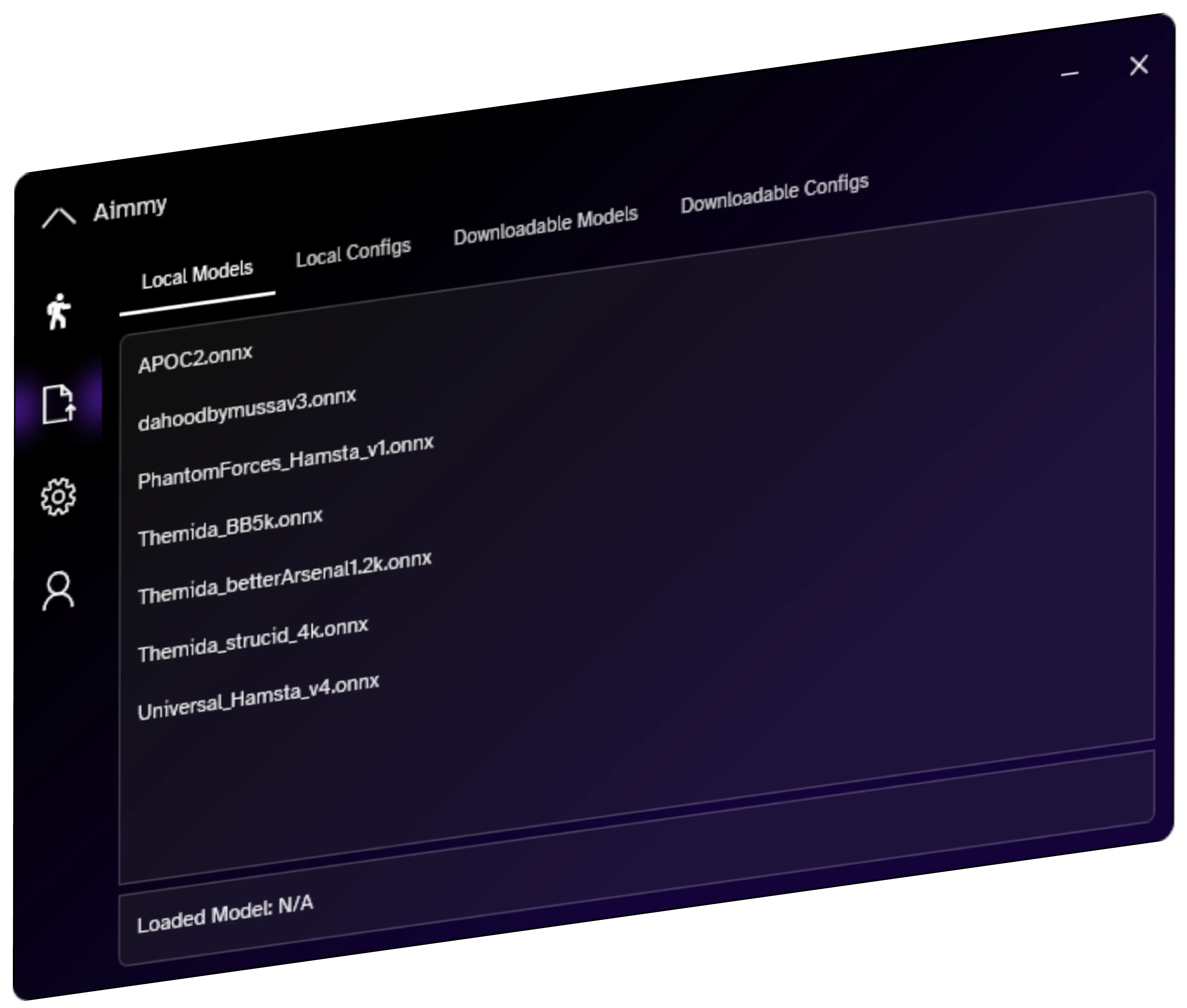
Utilizing Github Repositories, Aimmy allows you to upload models and configs into our store, and we even allow you to store repositories too!
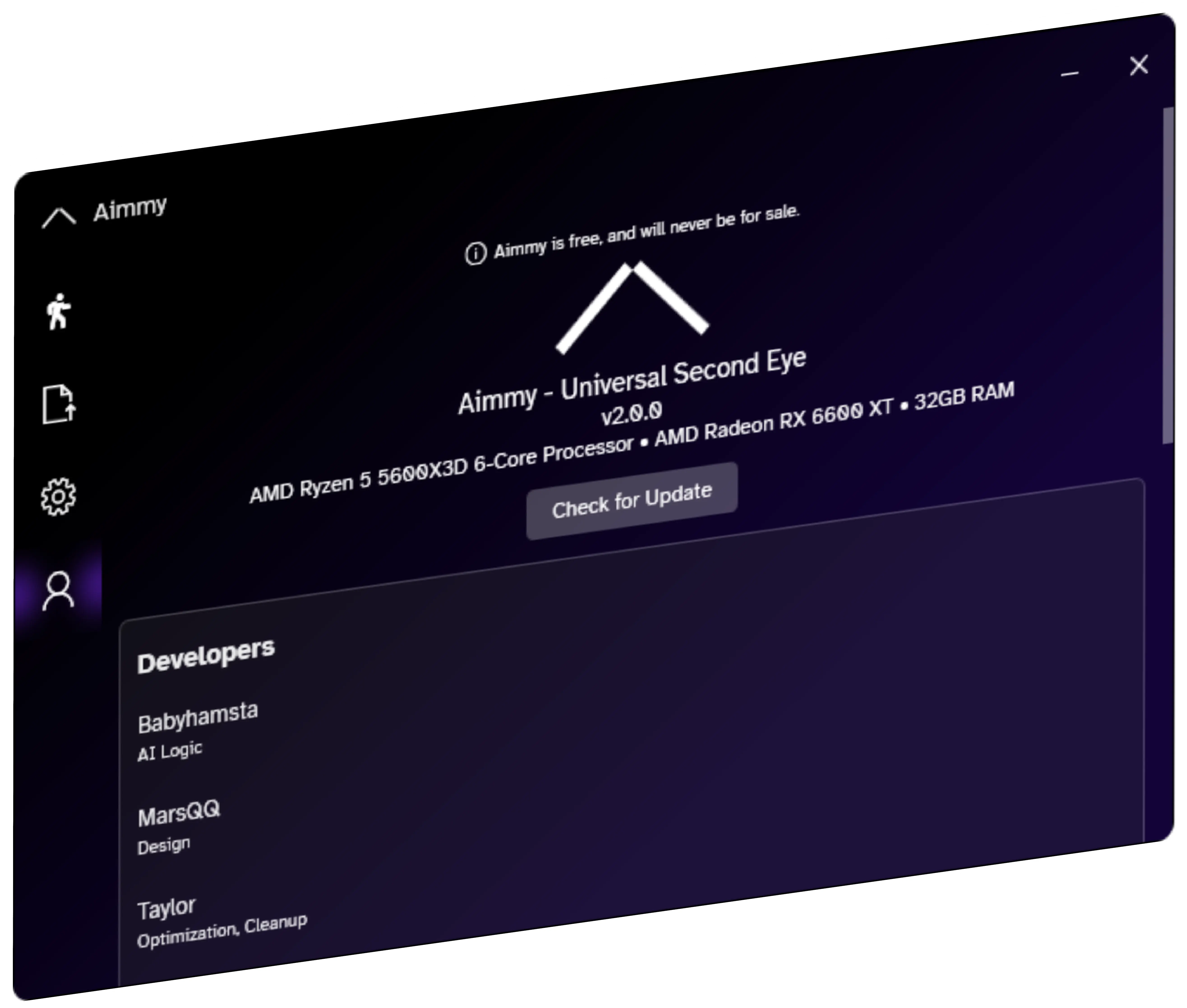
Aimmy provides constant, free OTA updates with a click of a button. All you have to do is press "Check for Update" and Aimmy will be updated!
The development of Mouse Standard 3.4 was a collaborative effort between industry leaders, regulatory bodies, and standards organizations. The standard was first introduced in the early 2000s as a response to the growing need for a unified mouse interface that could work seamlessly across different platforms.
Mouse Standard 3.4 has significant implications for the computer peripheral industry. By establishing a unified standard, manufacturers can ensure that their devices are compatible with a wide range of computer systems, reducing the risk of compatibility issues and improving overall user experience.
D P I = 1000 × D i s t an ce R eso l u t i o n
The world of computer peripherals is vast and complex, with numerous standards and protocols governing the way devices interact with each other. One such standard that has gained significant attention in recent years is the “Mouse Standard 3.4” or “Crack re mouse standard 3.4”. In this article, we will delve into the details of this standard, exploring its history, technical specifications, and implications for the industry.
Where DPI (dots per inch) is a measure of mouse sensitivity, Resolution is the number of pixels per inch, and Distance is the physical distance moved by the mouse.
Mouse Standard 3.4, also known as “Crack re mouse standard 3.4”, is a technical specification that outlines the requirements for mouse devices to ensure compatibility and interoperability with various computer systems. The standard covers aspects such as device functionality, communication protocols, and performance metrics.
"As a professional gamer, precision is everything. Aimmy has been a game-changer for me. Its adaptive AI enhances my gameplay, making it smoother and more accessible. I've seen a significant improvement in my accuracy and speed."
"Aimmy isn't just a tool; it's a step towards inclusivity in gaming. Its customizable features empower gamers of all abilities. I've recommended it to many in the accessibility community, and the feedback has been overwhelmingly positive." Crack re mouse standard 3.4
"I love gaming, but sometimes the fast-paced action gets tough. Aimmy's assistive options have made my gaming sessions a lot more enjoyable. It adjusts to my pace and style, ensuring I can keep up without feeling overwhelmed." The development of Mouse Standard 3
"Esports demands precision and skill. Aimmy's AI-driven assistance doesn't compromise that; instead, it enhances my abilities, giving me an edge in competitive gaming. It's become an indispensable part of my training routine." By establishing a unified standard, manufacturers can ensure
"Finding tools that help my child fully engage in gaming has been a challenge. Aimmy's thoughtful design and diverse accessibility options have made gaming a delightful experience for my child. Thank you for creating something so impactful!"
"Aimmy isn't just beneficial during gameplay; it's a game-changer for content creation too. Its assistive features allow me to focus more on engaging with my audience while ensuring a high level of gameplay."
The development of Mouse Standard 3.4 was a collaborative effort between industry leaders, regulatory bodies, and standards organizations. The standard was first introduced in the early 2000s as a response to the growing need for a unified mouse interface that could work seamlessly across different platforms.
Mouse Standard 3.4 has significant implications for the computer peripheral industry. By establishing a unified standard, manufacturers can ensure that their devices are compatible with a wide range of computer systems, reducing the risk of compatibility issues and improving overall user experience.
D P I = 1000 × D i s t an ce R eso l u t i o n
The world of computer peripherals is vast and complex, with numerous standards and protocols governing the way devices interact with each other. One such standard that has gained significant attention in recent years is the “Mouse Standard 3.4” or “Crack re mouse standard 3.4”. In this article, we will delve into the details of this standard, exploring its history, technical specifications, and implications for the industry.
Where DPI (dots per inch) is a measure of mouse sensitivity, Resolution is the number of pixels per inch, and Distance is the physical distance moved by the mouse.
Mouse Standard 3.4, also known as “Crack re mouse standard 3.4”, is a technical specification that outlines the requirements for mouse devices to ensure compatibility and interoperability with various computer systems. The standard covers aspects such as device functionality, communication protocols, and performance metrics.