|
|
 |
 |
 |
 |
 |
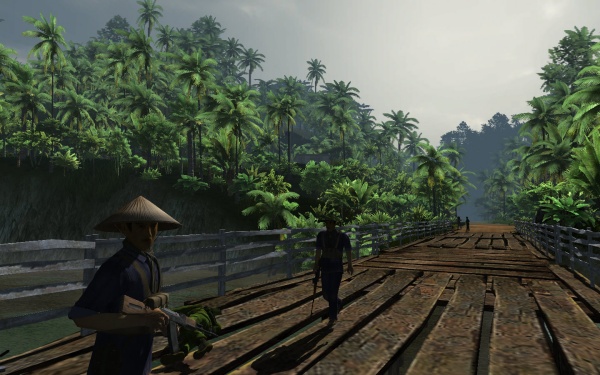
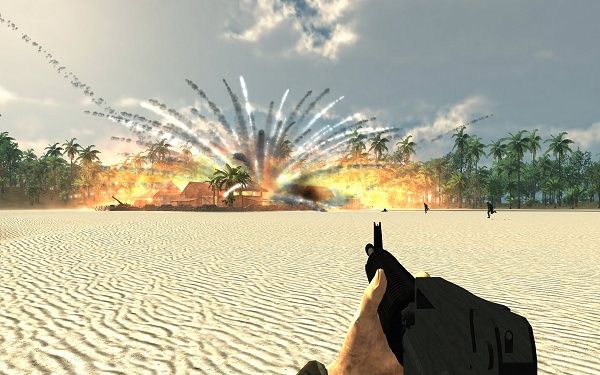
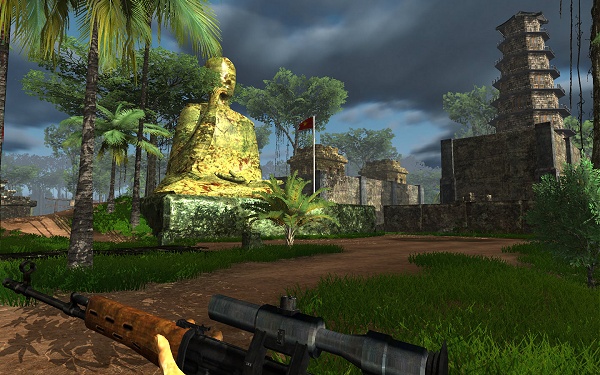
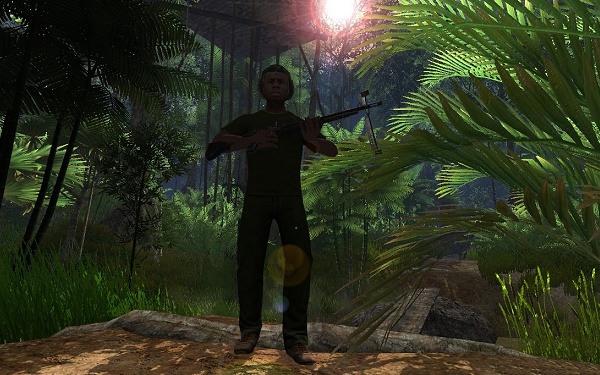
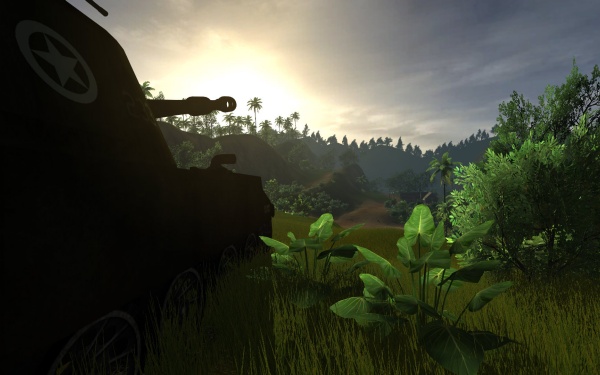
Chronos-localhost | PasswordEve of Destruction is a PC game
('First-Person-Shooter') about the Vietnam War. Get Eve of Destruction for your PC |
| Eve of
Destruction - Redux VIETNAM Windows 9,90 EUR buy and download on Steam free content: |
Eve of
Destruction - Redux VIETNAM Linux 9,90 EUR buy and download on Steam free content: |
Eve of
Destruction - Redux VIETNAM Mac 9,90 EUR buy and download on Steam free content: |
 |
 |
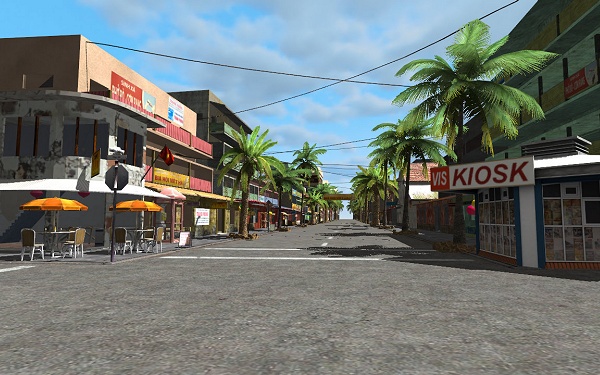 |
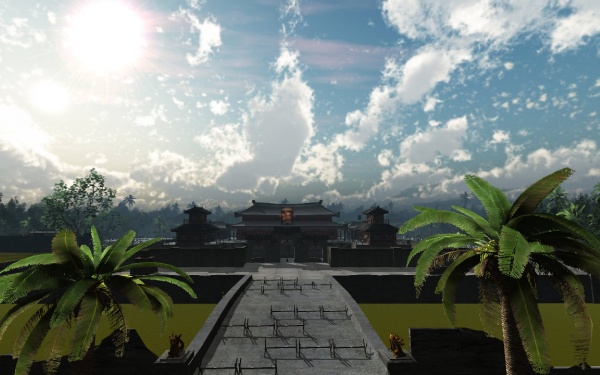
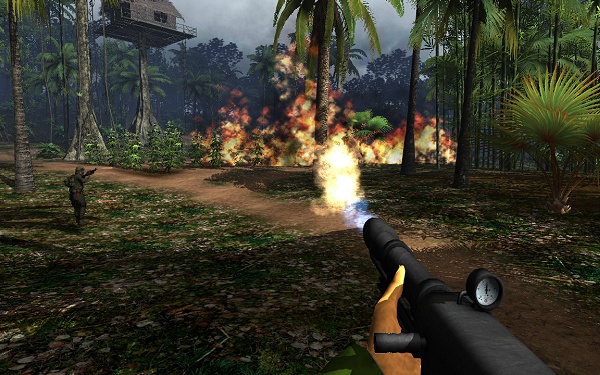
Chronos-localhost | Password8 languages in game: 62 maps with different landscapes: 201 different usable vehicles: 68 different handweapons: Singleplayer with 13 different modes: Multiplayer for 2- 128 players |
 |
 |
 |
 |
 |
 |
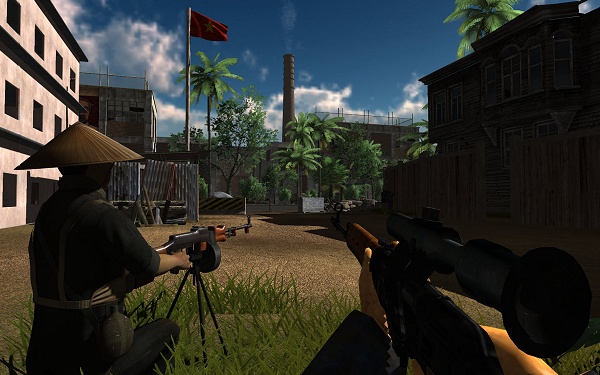
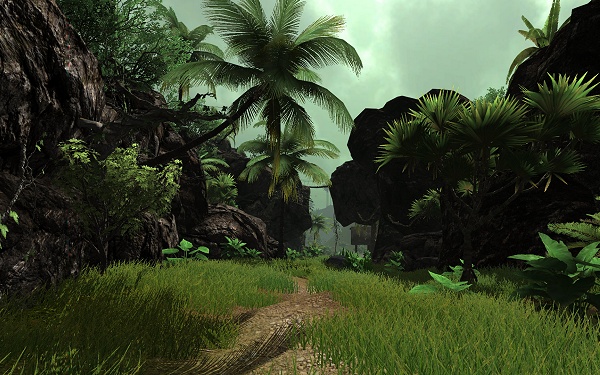
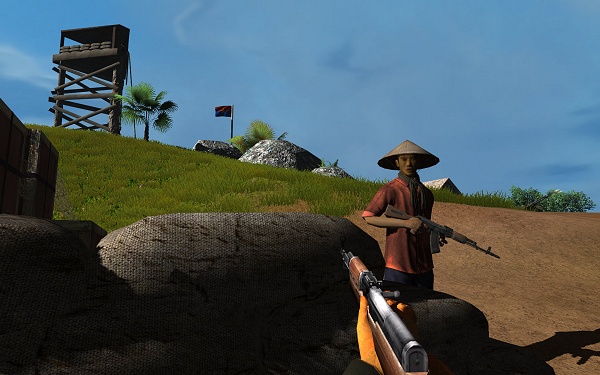
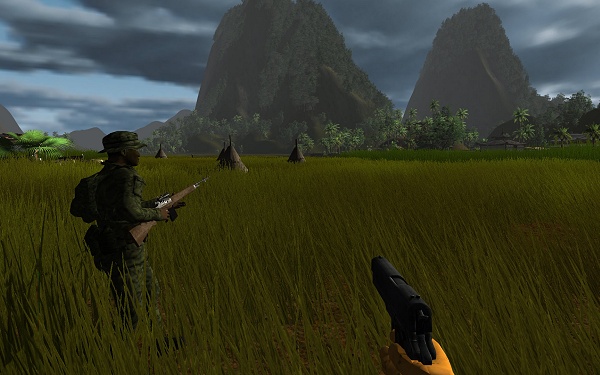
Chronos-localhost | PasswordNo other military conflict is comparable to those dramatic years of the 20th century. Most rumors spread about the Indochina and Vietnam War are not honest, even though it was the best documented war in history. No other military conflict was ever so controversial, pointing to an unloved fact: our enemy was not the only source of evil, the evil could be found within ourselves. 'Eve Of Destruction' is a tribute to the Australian, ARVN, U.S., NVA and 'Vietcong' soldiers who fought and died in Vietnam, and also to the Vietnamese people. The game originally has been a free modification for EA/Dice's Battlefield series and was published in 2002. 12 years after it's first release the game was completely rebuilt and received it's own engine based upon Unity 3D game engine and multiplayer on Photon Cloud. |
|
 |
 |
 |
Independent game development
is very time consuming. |
 |
 |
 |
'Eve Of Destruction' is also a song written
by P. F. Sloan.
Barry Mc Guire's version got number 1 in the US Top-Ten 1965.
Chronos-localhost | Password |
It doesn't replace enterprise SSO or hardware tokens. It doesn't try to. It solves the humble, frustrating, risky problem of "What did I set that local root password to again?"
Your future self, at 11 PM on a Sunday, will thank you. "The best local password is the one that doesn't outlive its welcome." – The Chronos Manifesto chronos-localhost password
Enter . The Problem with "Temporary" Passwords Most developers treat local passwords as a necessary evil. We hardcode them, commit them (oops), or rely on a rotating cast of sticky notes. The core issue isn't complexity—it's transience . A local environment is ephemeral by nature. Containers die, databases reset, and that beautifully generated 64-character hex key becomes useless by Monday morning. It doesn't replace enterprise SSO or hardware tokens
Chronos never phones home. No telemetry. No cloud vault. The algorithm runs entirely on your metal. Even if your repository is leaked, the passwords are useless without the exact system time and your machine’s unique seed. "The best local password is the one that
Chronos hooks directly into docker-compose.override.yml and shell profiles. It injects temporary passwords as environment variables before services start. Your ORM (Prisma, TypeORM, SQLAlchemy) just works. The "Wait, what if my clock drifts?" moment We asked the creator, Alex Voss, about this exact concern.
Think of it as TOTP (like Google Authenticator), but reversed. Instead of proving who you are with a rolling code, Chronos uses the current system time to generate a unique, strong password for each local service—Postgres, Redis, MinIO, or your custom admin dashboard. Here’s how it works:
For years, the answer has been a frustrating loop of resetting credentials, using password123 in .env files, or—let’s be honest—just disabling auth entirely on localhost:3000 . That worked fine in 2015. But in an era of supply chain attacks and local network vulnerabilities, treating localhost like a walled garden is a liability.